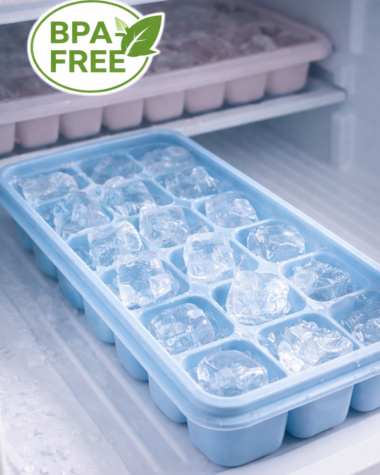
The Label on Everything, Explained by No One
‘BPA-free’ is stamped on every ice tray now — but what is BPA, why was it in trays, and does the label guarantee safety? The labels are a maze of initials. Here’s the plain-English guide to what they mean and how to choose trays with confidence.
BPA: The Backstory
The substance: BPA (bisphenol A) is a chemical building block of certain hard plastics (polycarbonate) and resins — used for decades in food containers. The concern: research found BPA can leach into food and drink, and it mimics oestrogen in the body — studies linked high exposure to hormonal effects, and regulators moved. The regulation: many jurisdictions banned BPA in baby bottles and restricted it in food-contact materials; the industry largely reformulated — hence the ‘BPA-free’ label everywhere. The nuance worth knowing: ‘BPA-free’ means what it says — but some BPA replacements (BPS, BPF) have raised similar questions in early research; the cautious consumer’s response isn’t panic but material strategy — see the choices below. For ice trays specifically: freezing temperatures leach far less than hot uses (heat accelerates leaching — ice trays are a low-risk use of plastic), so the calm view: BPA-free plastic trays from reputable makers are a low-concern item, and the alternatives eliminate the question entirely.
The Label Vocabulary
What the marks mean: ‘BPA-free’ (no bisphenol A in the plastic — the baseline now; buy nothing without it), ‘food-grade’ / ‘food-safe’ (the material meets food-contact standards — the actual requirement; look for it on any tray touching your drinks), food-grade silicone (silicone certified for food contact — quality silicone contains no BPA or plastic fillers; the pinch test: pure silicone twisted doesn’t turn white (white streaks suggest fillers)), LFGB/FDA marks (European and American food-contact certifications — LFGB is the stricter German standard; either mark signals tested compliance), ‘phthalate-free’ (another plasticiser family avoided in quality products), and the dishwasher-safe mark (a durability-and-material signal — trays that tolerate dishwasher heat are made of sterner stuff). The red flags: no food-grade marking at all, no-name market stall plastic, strong chemical smell out of the package (quality trays smell of nothing), and prices that imply corner-cut materials.
The Safe-Buying Strategy
The confidence hierarchy: stainless steel (the zero-question option — no plastics at all; the buy-for-life tray; see our materials guide), certified food-grade silicone (no BPA question exists — silicone isn’t polycarbonate; buy quality and pinch-test), BPA-free plastic from established brands (the mainstream safe choice — labelled, certified, low-risk at freezer temperatures), and the reputable-retailer filter (buy from sellers who stand over materials — product listings should state materials and certifications plainly, as ours do). The usage notes: don’t bake in trays not rated for it (heat changes the safety equation — oven use needs oven-rated silicone), replace ancient plastic trays (old plastics predate current standards — the cracked 1990s tray deserves retirement), and wash new trays before first use (manufacturing residues rinse away — one wash). The closing calm: the labels exist because regulation worked — food-contact plastics are safer than ever. Buy labelled, buy reputable, or buy steel and silicone, and the only thing in your ice is water.
Frequently Asked Questions
Are plastic ice trays safe?
BPA-free, food-grade plastic from reputable brands, yes — freezer temperatures make them a low-risk use; steel and silicone eliminate the question.
What does the pinch test show?
Twist silicone — pure silicone doesn’t whiten; white streaks suggest filler content. A quick quality check.
Is ‘BPA-free’ enough?
It’s the baseline — pair it with food-grade marking and reputable brands; silicone and steel skip the chemistry entirely.
The Bottom Line
BPA-free plus food-grade, from brands that state materials — or silicone (pinch-tested) and steel (question-free). Labelled ice is safe ice.