
Are ice cubes and frozen treats safe for dogs?
Yes, for most healthy dogs, ice cubes and frozen dog treats are safe in sensible portions, and they can offer gentle cooling, hydration and enrichment on warm days. The key is using dog-safe ingredients, keeping portions small and always supervising your dog while they enjoy anything frozen. Blue Cross recommends cooling treats such as ice licks and frozen recipes as part of hot-weather dog care, alongside constant access to fresh water and shade (Pets.co.uk).
Dog treat ice cubes are also one of the cheapest enrichment activities you can offer. A blender, an ice cube tray and a few dog-friendly ingredients are genuinely all it takes (SnazzyTails).
Key takeaways
- Frozen treats are safe for most dogs when given in small, supervised portions, and they help with cooling, hydration and mental stimulation.
- Some ingredients are dangerous. Xylitol, chocolate, grapes, raisins and onions are toxic to dogs, and the Blue Cross warns that many owners still underestimate the risk (CozyPaws).
- Safe bases include plain yoghurt, low-salt stock, banana, blueberries, melon, cucumber and plain cooked chicken (Pets.co.uk).
- Speak to your vet first if your dog has allergies, pancreatitis, diabetes, kidney disease, obesity or eats a prescription diet.
- Dogs with flat faces, extra weight or older dogs should avoid exercise above 20°C according to the Blue Cross, so a frozen treat in the shade is a smarter way to occupy them (SnazzyTails).
Why frozen dog treats work so well
Dogs cool themselves very differently from us. Rather than sweating, they regulate their temperature mainly through panting, with their paw pads doing a small amount of the work too (SnazzyTails). A frozen treat gives them something cold to work through slowly, cooling them from the inside while keeping them occupied on days when the heat is sitting heavy.
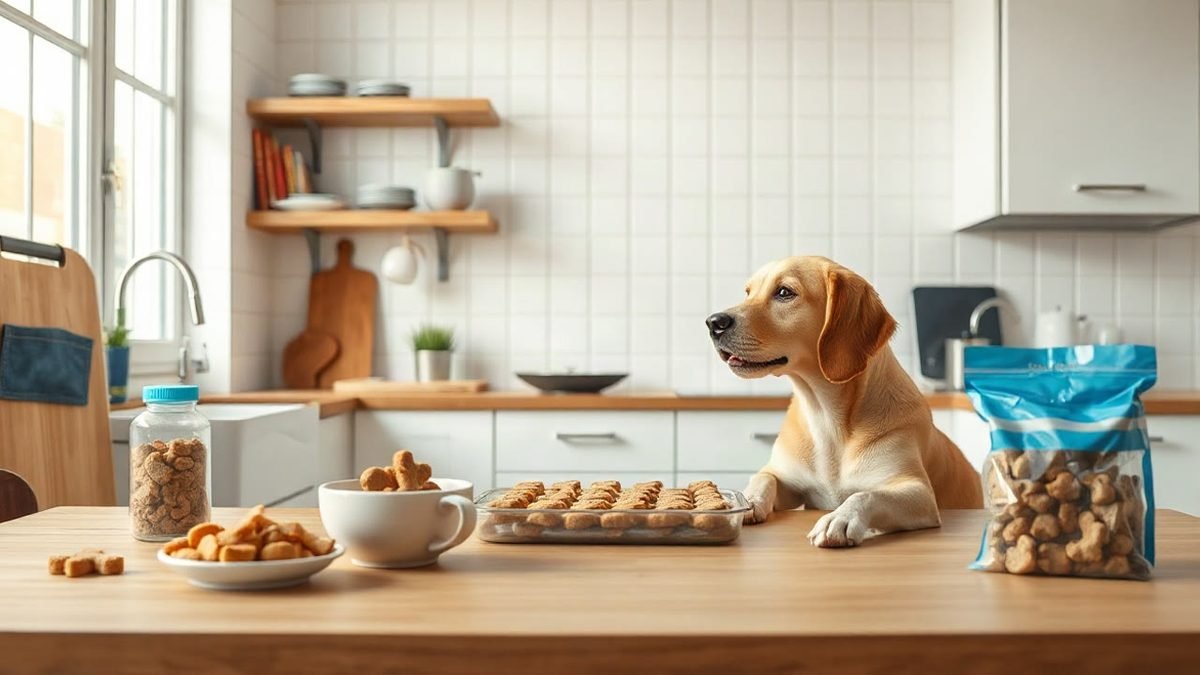
There is an enrichment benefit as well. CozyPaws suggests that repetitive licking can be calming for dogs, and that freezing food slows consumption down, turning a snack demolished in seconds into a longer-lasting activity. It is a plausible idea many owners notice, though the exact timing will vary from dog to dog.
There is a budget angle too. Pet obesity is widely recognised as a growing welfare concern in the UK, and shop-bought chews and biscuits can pile on hidden calories. Portion-controlled frozen treats made at home are typically cheaper than commercial alternatives, and CozyPaws reports that a frozen lick mat can keep dogs occupied for a good stretch of time, though how long will depend on the dog, the recipe and the freezing temperature.
Are ice cubes safe for dogs?
This is one of the most searched summer dog questions, and the answer is reassuring with a few caveats. Ice itself is not harmful to dogs. Giving a dog a plain ice cube to lick, or dropping a couple into their water bowl, is a simple way to offer cooling and hydration. The Barking Mad UK guide to frozen treats notes that frozen treats help lower a dog’s body temperature and are often made with just one or two ingredients (Barking Mad UK).
Sensible precautions
- Size matters. A large cube given whole to a small dog is a choking hazard. Match cube size to your dog, or offer crushed or smaller pieces.
- Supervise always. Any hard, frozen item should be given while you are nearby, especially with enthusiastic chewers.
- Start slowly. If your dog has never had frozen treats, introduce them gradually so their stomach can adjust.
- Very hot dogs first. If your dog is showing signs of heatstroke, cooling treats are not the answer. Move them to shade, offer cool (not icy) water and contact your vet immediately (Barking Mad UK).
Ingredients to avoid: what must never go in a dog treat ice cube
One wrong ingredient can turn a healthy treat into a veterinary emergency. Xylitol, chocolate, grapes and onions are common kitchen staples that are genuinely dangerous for dogs, and the Blue Cross warns that many owners still do not realise how hazardous they are (CozyPaws).
Never use
- Xylitol (found in some sugar-free products and some peanut butters, so always check labels)
- Chocolate and cocoa
- Grapes and raisins
- Onions, garlic, leeks and chives
- Alcohol or anything caffeinated
- Macadamia nuts
- Anything sweetened, salted or heavily seasoned
Use with caution
- Stock cubes and broths: only use low-salt, onion-free stock. Our guide to freezing broth in ice trays shows the freezing method, which works the same way for dog-friendly low-salt broth.
- Dairy: plain yoghurt is widely used in frozen dog treat recipes, but many dogs digest lactose poorly, so start with a small amount.
- Apple: safe and popular, but remove the core and seeds first.
Safe ingredients to build on
Dog-safe ingredients recommended for homemade frozen treats include banana, cucumber, carrot, blueberries, apple, melon, plain cooked chicken, plain cooked turkey, plain yoghurt, low-salt stock or your dog’s usual food (Pets.co.uk).
When to check with your vet first
If your dog has food allergies, intolerances, a sensitive stomach, pancreatitis, diabetes, kidney disease, obesity or a prescription diet, keep recipes very simple and speak to your vet before introducing new ingredients. Dogs with suspected food allergies often need a controlled elimination diet, so even a small homemade treat can interfere with their plan (Pets.co.uk).
It is also worth remembering that treats of any kind are extras, not meal replacements. With many dogs in the UK carrying extra weight, portion control matters. A tray of small cubes spread across the week is far kinder to your dog’s waistline than a bowlful in one go.
Easy frozen dog treat recipes for ice cube trays
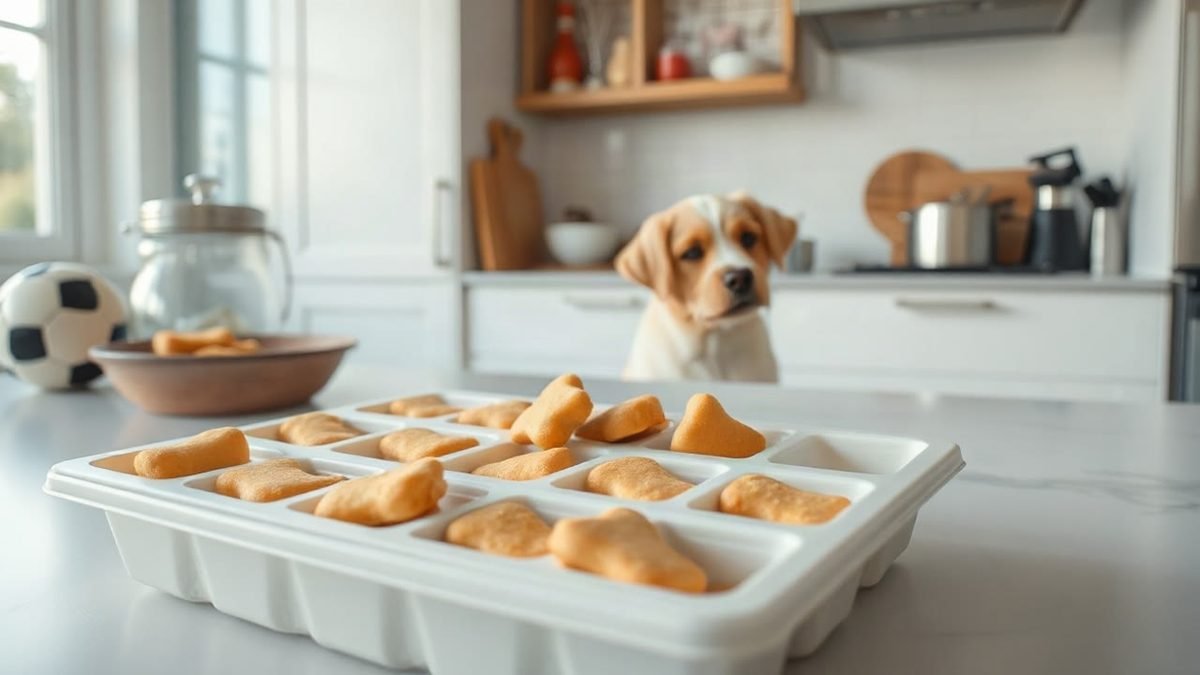
These simple recipes use household items you already own: ice cube trays, silicone muffin cases, small bowls, freezer-safe tubs or clean yoghurt pots (Pets.co.uk). Each makes roughly one standard tray. Freeze until solid, then pop the cubes out; storing them in a labelled freezer bag or tub keeps things tidy and lets you defrost portions as needed.
1. Banana and yoghurt cubes
- A ripe banana
- A few spoonfuls of plain yoghurt (xylitol-free and unsweetened)
- A splash of water to loosen
Mash or blend the banana, stir in the yoghurt, spoon into the tray and freeze. Yoghurt and berries are popular dog-safe ingredients in frozen treat recipes, which makes this a lovely starting point for dogs new to frozen treats (SnazzyTails).
2. Chicken broth hydrators
- Low-salt, onion-free chicken stock, cooled
- A few small pieces of plain cooked chicken per cube (optional)
Pour the cooled stock into the tray, drop a piece of chicken into each section and freeze. These are excellent on hot walks or crumbled over dinner to encourage drinking.
3. Berry blast cubes
- A handful of blueberries
- Water or plain yoghurt
Drop two or three blueberries into each section, top up with water or yoghurt and freeze. Simple, low calorie and refreshing.
4. Melon and cucumber cooler
- Chunks of seedless melon
- Thin slices or small dice of cucumber
Blend the melon, stir through the cucumber, pour into the tray and freeze. This one is mostly water, so it is one of the lightest options for dogs watching their weight.
5. Dinner cube enrichment bites
- A portion of your dog’s usual complete food
- Warm water
Soften kibble in warm water, mash it, pack it into the tray and freeze. Because it comes from their normal diet, it is one of the safest options for dogs with sensitive stomachs, though do count it towards their daily food allowance.
6. Frozen carrot and apple mash
- One apple, cored and deseeded
- One small carrot, grated
- A little water
Blend the apple with a splash of water, stir in the grated carrot and freeze. Sweet, crunchy in texture once bitten and full of dog-safe fruit and veg from the approved list (Pets.co.uk).
Getting the most from your trays
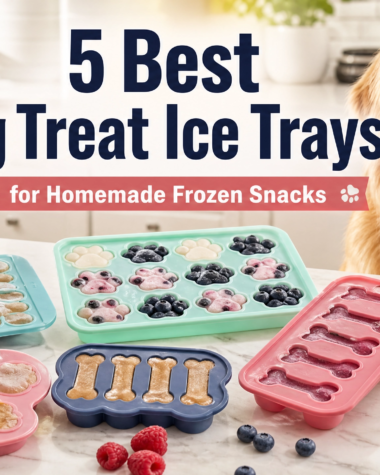
Standard ice cube trays work perfectly well, but a little kit knowledge helps. Silicone trays release frozen yoghurt and fruit purées far more easily than rigid plastic, which can crack or stick. If you make treats regularly, it is worth reading our round-up of the best dog treat ice trays for homemade frozen snacks, which covers sizes and materials suited to pet use.
And if you also use your trays for summer drinks, note that the same slow-melt principles apply to both. Our guide on how to make cocktail ice cubes that melt slower is a fun companion read for the human half of the household.
Quick checklist before every batch
- Have you checked every ingredient against the never-use list, including labels for xylitol?
- Is the portion size matched to your dog’s size and daily calorie allowance?
- Have you labelled the tray or freezer bag so dog treats never get mixed up with human cooking cubes?
- Will someone be nearby to supervise the first serving?
- Has your vet signed off on new ingredients if your dog has any health conditions?
FAQ
How many frozen treats can my dog have per day?
Keep portion sizes small and treat any frozen snacks as an occasional extra rather than a meal replacement. If in doubt about how often to offer them, ask your vet.
Can puppies have frozen dog treats?
Healthy puppies can usually enjoy simple frozen treats in tiny portions, but their digestive systems are sensitive and their diets are carefully balanced for growth. Keep recipes to one or two ingredients, keep cubes very small, and check with your vet first.
How long do frozen dog treats keep in the freezer?
Most fruit, yoghurt and broth-based cubes keep well for up to a month in a sealed freezer bag. Discard any that develop freezer burn or an off smell, and always thaw-and-refreeze no.
Can I give my dog ice cubes in hot weather?
Yes, ice is safe for most dogs in moderation, and cooling treats are recommended by Blue Cross as part of hot-weather care. Just avoid giving very cold items to an already overheated or distressed dog; bring their temperature down gradually with shade, cool water and, if you are worried, veterinary advice (Barking Mad UK).
What can frozen treats realistically do for my dog in summer?
They offer gentle cooling, extra hydration, mental enrichment and a calm, focused activity on days when exercise needs to be limited. They are a helpful supplement to good hot-weather care, not a substitute for shade, fresh water and reduced exertion (Pets.co.uk).
The final cube
Frozen dog treats are one of the simplest, cheapest ways to help your dog stay cool, hydrated and happily occupied through the British summer. Stick to dog-safe ingredients, keep portions small and supervised, and check with your vet if your dog has any health conditions. For more ideas on which trays suit the job best, browse our guide to the best dog treat ice trays for homemade frozen snacks, then fill one up and give your dog a delicious reason to love the freezer door opening.