
Affiliate disclosure: This article contains affiliate links. We may earn a commission if you purchase through them, at no extra cost to you.
Silicone vs plastic vs stainless steel ice trays: the short answer
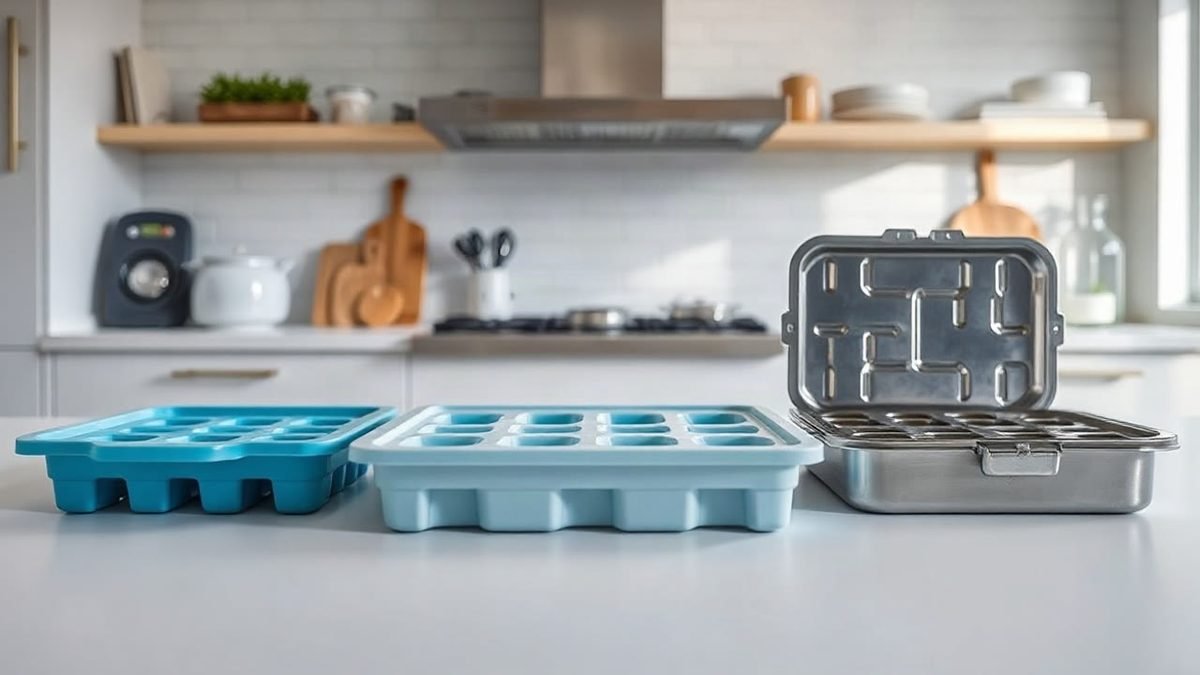
There is no single winner in the silicone vs plastic vs stainless steel ice trays debate, because each material suits a different kind of user. Silicone is the easiest to work with and the most versatile when it comes to shapes, plastic is the most familiar classic option, and stainless steel is the most durable and eco-friendly option with a long service life. The right choice depends on how often you make ice, which drinks you serve and how long you want the tray to last.
In this guide we compare all three materials across the things that actually matter day to day: releasing ice, safety, durability, freezing speed and price. By the end you should know exactly which tray belongs in your freezer.
Key takeaways
- Silicone trays offer the easiest ice release thanks to their flexible material, and they come in the widest range of creative shapes, from whiskey ice balls to novelty moulds (Legensilico).
- Plastic trays are usually the most affordable and widely available, but quality varies a lot and rigid plastic can crack over time (Decor With Style; TableAndSpoon).
- Stainless steel trays conduct heat better, so ice can form faster initially and melt more slowly in your glass, and high-grade 304 or 316 steel resists corrosion well (Souper Cubes via Taobao guide).
- Silicone can retain microscopic odours over time, so wash it well and avoid long exposure to heat and oils (Souper Cubes guide).
- If you want plastic but worry about additives, look for BPA-free plastic ice trays designed for everyday use.
What are silicone ice trays actually made of?
Silicone is a synthetic rubber made from silicon, oxygen, carbon and hydrogen. Its flexibility, durability and non-stick qualities are why it shows up everywhere in the kitchen, from bakeware to utensils to ice trays. It also copes with both high and low temperatures, which makes it freezer-friendly and, in many cases, oven-friendly too (Decor With Style).
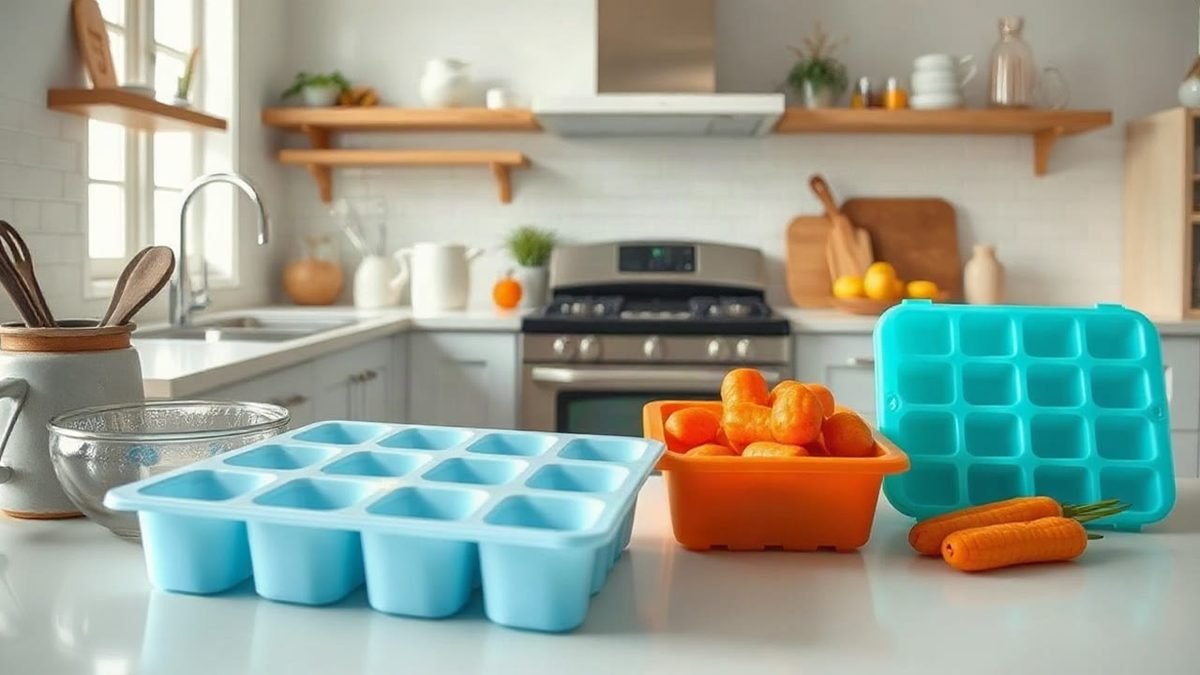
On a chemical level, silicone is built from silicon and oxygen atoms with organic groups attached, and that structure is what gives it its bendiness and its resistance to heat and cold. It is also described as non-toxic and hypoallergenic, which is a big part of why it has become a popular choice for cookware and food storage (TableAndSpoon).
Why silicone is so popular
Silicone trays have become bestsellers on online marketplaces largely because the experience of using them is so pleasant. The flexible material means cubes pop out with a gentle push from underneath rather than a wrestling match with a rigid tray, which is exactly the kind of handy, low-fuss behaviour modern kitchens want (Legensilico).
The other big advantage is shape freedom. Because silicone can be moulded into almost any form, you can make large whiskey ice balls, fancy drink ice, or even portion cubes for baby food (Legensilico). That flexibility is why so many of the prettiest moulds on the market are silicone, from novelty shapes to rose ice trays and silicone animal ice trays.
The downsides of silicone
Silicone is not perfect. Its flexibility can make full trays wobbly to carry to the freezer, which is why many good silicone trays come with a rigid frame or lid. There is also a hygiene consideration: silicone can retain microscopic odours over long use, and repeated high-heat dishwasher cycles or exposure to oils can cause it to degrade visually or become slightly sticky (Souper Cubes guide). Washing with hot soapy water and letting trays dry fully between uses helps a lot.
How do plastic ice trays compare?
Plastic trays are usually made from polyethylene or polycarbonate, and they are the classic ice tray that has been a kitchen staple for decades. They are generally more rigid than silicone, and many designs include clever mechanisms, such as flexible bottoms or release levers, that make getting the cubes out easier (Decor With Style).
The case for plastic
- Price. Plastic trays are typically the cheapest option, which makes them ideal if you need several trays at once for parties or batch cooking.
- Rigidity. A firm tray stacks neatly, sits flat in the freezer and carries water without sloshing.
- Familiarity. The twist-and-pop release is second nature to most people.
The case against plastic
The quality of plastic varies significantly between brands, and that affects both durability and how the tray performs over time (Decor With Style). Rigid plastic is also more prone to cracking and breaking, especially at the corners or if you twist it hard to release stubborn cubes (TableAndSpoon). Because the quality of plastic varies between brands, it is worth checking labelling carefully and choosing trays clearly marked BPA-free if you go down this route.
What about stainless steel ice trays?
Stainless steel trays have carved out a place in the high-end kitchenware market, driven by interest in plastic-free, eco-friendly living and long service life (Legensilico). They feel solid, they look smart, and they appeal to anyone trying to reduce plastic in the kitchen.
Thermal performance: steel’s real advantage
Metal is an excellent conductor of heat, and that translates into a genuine practical benefit. Stainless steel excels in thermal conductivity, which supports rapid initial crystallisation when you first freeze the water, and it also offers superior post-freeze insulation, meaning the ice tends to melt more slowly in your drink (Souper Cubes guide). If you care about slowly diluting whiskey or keeping a cocktail cold for longer, that slower melt is a nice bonus.
Durability and care
High-grade 304 or 316 stainless steel provides exceptional corrosion resistance in home settings, though it is wise to avoid any absolute claim of “lifetime” durability, since no material is indestructible (Souper Cubes guide). Care is simple but specific: avoid chlorine bleach on stainless steel to protect the surface. The main trade-offs are weight, price, and the fact that rigid metal trays can make ice release less effortless than silicone, since you cannot simply push the cubes out from underneath.
Which material is safest for ice you eat and drink?
This is one of the most searched questions, and the honest answer is that all three materials can be safe when made to food-grade standards by a reputable manufacturer. The differences lie in how each material behaves over years of use.
Silicone’s chemical structure gives it flexibility and resistance to both heat and cold, and it is described as non-toxic and hypoallergenic, which is part of why it is popular for cookware and food storage (TableAndSpoon). Plastic can be safe too, but because quality varies significantly between products, it pays to buy from brands that specify food-grade, BPA-free materials (Decor With Style). Stainless steel, particularly 304 or 316 grades, resists corrosion well in normal household use (Souper Cubes guide).
Practical safety tips for any tray
- Buy from manufacturers who clearly state food-grade materials.
- Avoid chlorine bleach on stainless steel, and be gentle with high-heat dishwasher cycles on silicone to keep it in good condition (Souper Cubes guide).
- Replace plastic trays once they crack, cloud badly or develop rough surfaces.
- Wash silicone thoroughly and air-dry it to reduce lingering odours (Souper Cubes guide).
Which tray releases ice most easily?
Easy release is where silicone shines, and it is the single biggest reason people switch. The flexible rubber-like material lets you push each cube out from the base, and it supports all sorts of creative shapes without the ice tearing or sticking (Legensilico; TableAndSpoon).
Plastic sits in the middle: rigid trays can crack or break with rough twisting, but many designs compensate with flexible bottoms or levers that make removal fairly painless (TableAndSpoon; Decor With Style). Stainless steel is the least forgiving here. Metal cannot flex, so you rely on well-designed edges or a slight tap to loosen the cubes. The reward for that small inconvenience is ice that melts more slowly once it is in your glass (Souper Cubes guide).
Which tray lasts longest and offers the best value?
On pure lifespan, stainless steel has the edge, which is precisely why it is marketed towards durable, plastic-free, eco-friendly lifestyles (Legensilico). Silicone is also durable and resists extreme temperatures well (TableAndSpoon), though it can look tired after years of dishwasher cycles. Plastic is the most likely to crack, and its lifespan depends heavily on the quality of the specific tray (TableAndSpoon; Decor With Style).
Value is a different question from lifespan. If you need six cheap trays for a big batch of ice, plastic may be the sensible spend. If you make ice every day and want one tray that will serve you for years, silicone or stainless steel usually justifies the higher price.
A quick decision guide
- Choose silicone if you want effortless release, fun shapes, large cocktail cubes or moulds for baby food portions (Legensilico).
- Choose plastic if budget is the priority and you want simple, stackable everyday trays; just pick a reputable BPA-free option.
- Choose stainless steel if you want a plastic-free kitchen, long service life and ice that melts more slowly in the glass (Legensilico; Souper Cubes guide).
How should you care for each type of tray?
Good care extends the life of any tray, and each material has its own quirks. Silicone can degrade visually with repeated high-heat dishwasher cycles, so occasional hand washing in hot soapy water is a kind habit, and keeping it away from prolonged oil exposure helps prevent stickiness (Souper Cubes guide). Stainless steel should never be cleaned with chlorine bleach, which damages the surface; warm water, mild detergent and a soft cloth are all it needs (Souper Cubes guide). Plastic trays need the gentlest treatment of all: avoid aggressive twisting when releasing ice and retire the tray at the first sign of cracking (TableAndSpoon).
Advertisement
By the way, here is something else you might like to explore
Looking for useful tools, resources or ideas? Here is a product from our affiliate collection. It is not specific to this article.
Featured product: UltimateSmallShop
UltimateSmallShop is a guide to setting up a small woodworking workshop.
Advertisement · This is an affiliate link. We may earn a commission if you purchase. We have not tested this product; please check the seller’s information before buying.
FAQ
Are silicone ice trays safer than plastic ones?
Both can be safe when made to food-grade standards. Silicone is described as non-toxic and hypoallergenic and resists extreme temperatures well, while plastic safety depends heavily on the quality of the specific product, which varies significantly between brands. If you prefer plastic, choose trays clearly labelled food-grade and BPA-free (TableAndSpoon; Decor With Style).
Do stainless steel ice trays really make ice that melts slower?
Stainless steel offers superior post-freeze insulation compared with the other materials, so ice from a metal tray tends to melt more slowly in your drink, alongside faster initial freezing thanks to metal’s thermal conductivity (Souper Cubes guide).
Why does my silicone tray smell or taste odd?
Silicone can retain microscopic odours over time, especially after long exposure to heat or oils. Wash the tray thoroughly in hot soapy water, let it dry completely, and avoid repeated high-heat dishwasher cycles to keep it fresh (Souper Cubes guide).
Which tray is best for novelty ice shapes like roses or animals?
Silicone, without question. Its flexible, mouldable nature supports creative shapes such as whiskey ice balls, fancy drink ice and detailed novelty designs that can be difficult to achieve with more rigid materials (Legensilico).
How long does each type of tray last?
Stainless steel offers the longest service life, which is why it is popular in the plastic-free, eco-friendly market, though no material lasts forever. Silicone is also durable and temperature resistant. Rigid plastic is the most prone to cracking and breaking, so expect to replace it sooner (Legensilico; TableAndSpoon; Souper Cubes guide).
The bottom line
In the silicone vs plastic vs stainless steel ice trays comparison, the best tray is the one that matches your habits. Silicone for effortless release and creative shapes, plastic for affordable everyday ice, and stainless steel for durability and slower-melting cubes in serious drinks. Many households end up with a mix, and that is perfectly sensible.
If flexible, fun-shaped ice sounds like your kind of thing, browse our round-up of the best silicone ice trays to find a mould that suits your freezer and your favourite glass.
Sources
- Silicone vs. Stainless Steel Ice Cube Trays: Which Is Suitable for You? – Legensilico
- Silicone vs Plastic Ice Cube Trays: Uncovering the Safety Differences – TableAndSpoon