
Affiliate disclosure: This article contains affiliate links. We may earn a commission if you purchase through them, at no extra cost to you.
Which ice should you use in a cocktail?
The right cocktail ice depends on the drink you are making: spirits-forward slow sippers such as an Old Fashioned call for one large, dense cube or sphere to keep dilution slow, while refreshing highballs and tropical drinks such as a Mojito or Bramble suit smaller, cracked or crushed ice for fast chilling. Ice is not just frozen water; it is a critical ingredient that controls temperature and dilution and directly affects the taste and texture of your drink, as this pro guide to cocktail ice puts it. This cocktail ice 101: the home bartender’s guide walks you through the why and the how, so your next Negroni tastes as good at home as it does at a bar.
Key takeaways
- Ice is an ingredient, not an afterthought. It chills, dilutes and helps balance a cocktail, so the type you choose changes the final drink.
- Match the ice to the drink. Big cubes for stirred, strong drinks; cracked or crushed ice for refreshing, highball-style serves.
- Dilution is a feature, not a flaw. A little water can actually open up the flavour of high-proof spirits.
- Clear, dense ice is widely prized by bartenders, and good water helps your ice taste neutral rather than of the freezer.
- You do not need expensive kit. A decent tray, filtered water and a bit of technique go a long way.
Why does ice matter so much in a cocktail?
Ice is the last thing you add to a mixing glass or shaker, and it is often the last thing people think about, yet it deserves as much attention as any spirit or vermouth. As the team at Bartender Atlas points out, ice does three jobs at once: it chills the drink, adds dilution and helps balance the finished cocktail.
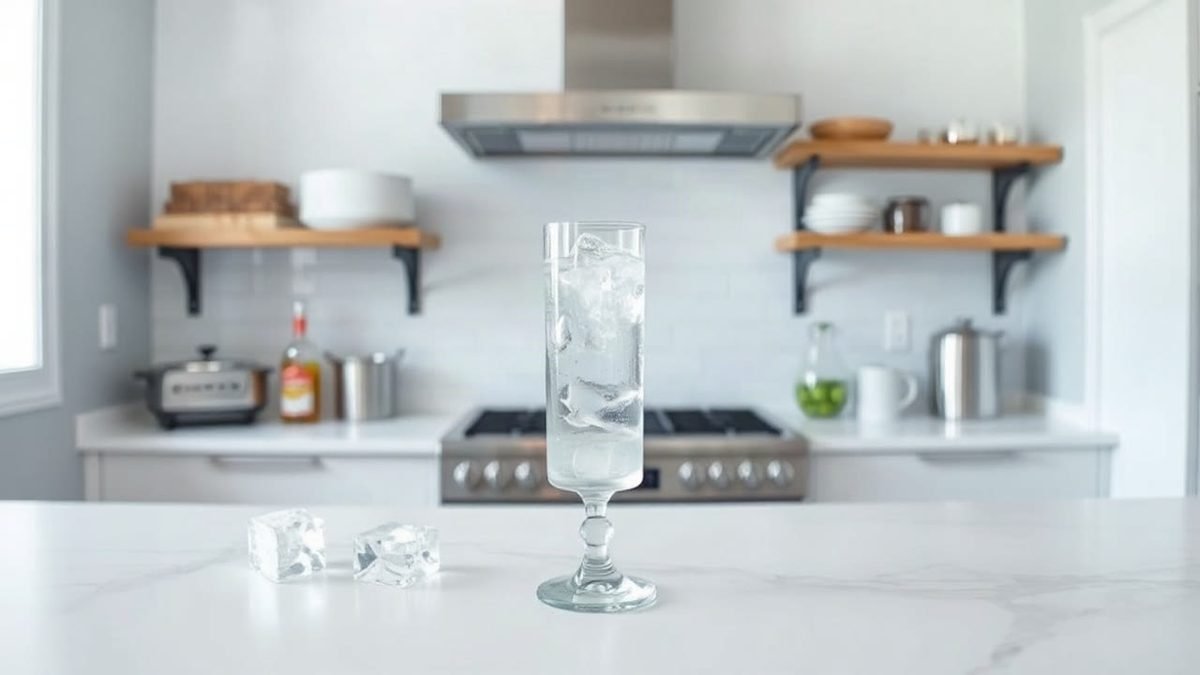
The dilution part surprises a lot of home bartenders. When ice lowers the temperature of your drink, it also melts slightly, and that water ends up in the glass. A small splash of water in a high-proof spirit does not water down the flavour; it can actually heighten it, because larger flavour-carrying molecules break away from the alcohol when water is added. That little chemistry lesson, drawn from Amy Stewart’s The Drunken Botanist and quoted by Bartender Atlas, is exactly why a splash of water in whisky works so well.
Put simply, ice controls taste and temperature. Whether you are shaking, stirring or building directly in the glass, the type and amount of ice you use can make or break the cocktail, a point made clearly in Cool Material’s cocktail ice guide.
What kind of ice suits which drink?
Think of ice as a dilution dial. The bigger and denser the ice, the slower it melts and the less water it adds. The smaller and rougher the ice, the more surface area it has and the faster it chills and dilutes. Here is the practical breakdown.
Large cubes and spheres: for stirred and spirits-forward drinks
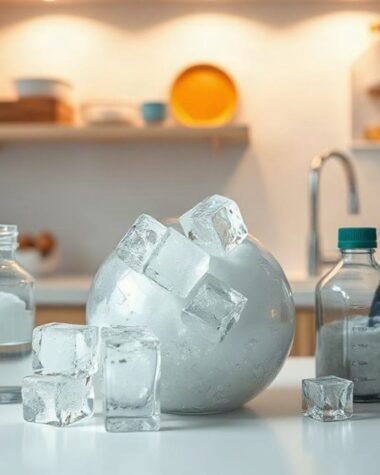
Drinks like an Old Fashioned, Negroni or Boulevardier are meant to be sipped slowly. One single large, dense, clear cube or sphere is ideal here because it minimises dilution while keeping the drink properly cold. A generous cube in a heavy tumbler looks smart, too, which is never a bad thing.
Cracked, crushed and pebble ice: for highballs and tropical drinks
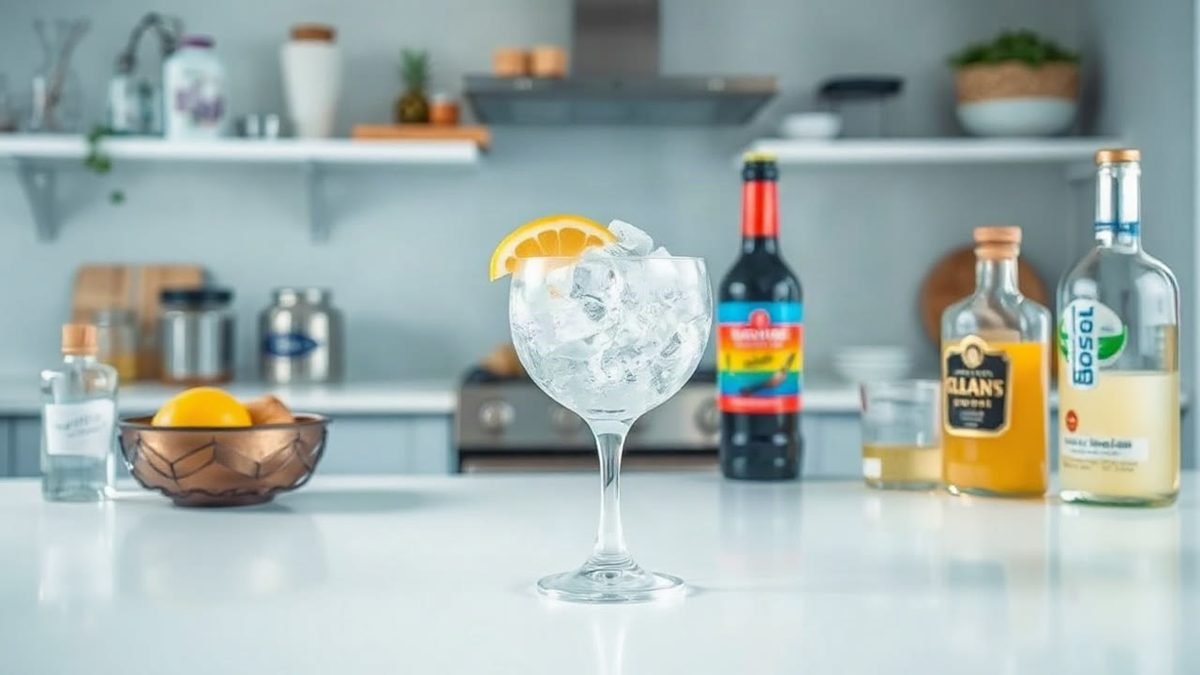
Refreshing serves like a Mojito, a Bramble or a Mint Julep want rapid chilling and a bit more dilution. Smaller, cracked or pebbled ice does exactly that, packing tightly around mint leaves and berries and making the drink pleasantly frosty. If your homemade Mojitos are not hitting the mark, it is worth remembering that ice is a critical ingredient: the pro guide notes that smaller, pebbled ice is exactly what a Mojito demands.
Standard cubes: for shaking and stirring
For the actual mixing stage, ordinary ice straight from a decent tray does the job. Shaking or stirring is a brief, high-contact process, so regular cubes chill and dilute efficiently. Save your beautiful large clear cubes for the glass, not the shaker.
Does clear ice really make a better cocktail?
Clear ice is not just for show. Cloudy ice often contains trapped air and impurities, which can make it melt a little faster and, because ice picks up the flavour of the water it is made from, taste less clean. Since some of that ice ends up in your drink, making ice from good quality, filtered water genuinely matters, as Bartender Atlas notes.
Clear, dense ice also holds its shape longer, which means slower dilution in a slow-sipping drink. If you want to go a step further, our guide on how to make cocktail ice cubes that melt slower covers practical methods you can use in any home freezer.
How can you make better ice at home?
You do not need a professional ice machine. A few small changes make a noticeable difference:
- Start with good water. Filtered or bottled water gives cleaner-tasting ice, especially for drinks where a large cube sits in the glass for half an hour.
- Use a proper tray for the job. Large-square silicone moulds for rocks glasses, standard trays for mixing, and narrow trays that crack neatly for crushed-style ice. Our ultimate guide to ice cube trays explains which materials and shapes suit which tasks.
- Freeze fully. Letting cubes freeze completely gives you solid ice rather than slushy centres.
- Store ice properly. Keep cubes in a sealed bag or container so they do not absorb freezer smells; nobody wants a Negroni with a hint of frozen peas.
- Make ice fresh for the occasion. Fresh cubes taste cleaner than cubes that have been sitting in the freezer for weeks, where they can pick up odours from nearby food.
For more clever tricks, including using trays for herbs, citrus and other kitchen jobs, have a look at our 15 DIY ice cube tray hacks. If you fancy reading up on technique more broadly, Salvatore Calabrese’s Complete Home Bartender’s Guide is a well-rated cocktail book covering tools, ingredients and recipes, listed on Amazon.co.uk.
Common ice mistakes home bartenders make
The cocktail renaissance that began in the late 1990s brought a renewed interest in home mixology, and along with it the realisation that ice is one of the most overlooked elements of a home bar. Here are the errors we see most often, and how to fix them.
Using small, half-melted cubes in a spirits-forward drink
Tiny, cloudy cubes from an old tray melt fast and over-dilute a Negroni or Old Fashioned long before you finish it. Switch to one large, dense cube and the drink stays balanced to the last sip.
Skipping dilution entirely
Some home bartenders treat all dilution as the enemy. In reality, stirred and shaken drinks need a measured amount of water to soften high-proof spirits and open up flavour. Ice helps dilute a cocktail when the proof is high, giving you a more palatable, better-balanced result.
Forgetting that ice takes on flavours
Because melting ice becomes part of your drink, ice made from poor-tasting water or stored next to strong-smelling food will carry those flavours into the glass. Good water and airtight storage are cheap fixes.
Underestimating quantity
Shaking and stirring require plenty of ice. Half a shaker of cubes warms and dilutes quickly; a full shaker chills the drink fast and efficiently. When in doubt, use more ice than feels necessary for the mixing stage.
Are fancy ice moulds and carved spheres worth it?
For most home bartenders, a couple of large-square silicone moulds and one good standard tray cover everything you need. Spheres and hand-carved ice look impressive and melt marginally differently than cubes, but the practical benefit over a large dense cube is modest. Start with good water, a reliable tray and proper storage, then add speciality moulds if you enjoy the presentation side of things.
That said, if you regularly serve stirred drinks, a mould that produces a single large cube is one of the most useful cheap upgrades you can make, and it helps you follow the classic bartending approach for stirred drinks. The pro guide recommends a single large, dense cube or sphere for spirits-forward drinks precisely to minimise dilution and keep the drink balanced for longer.
Advertisement
By the way, here is something else you might like to explore
Looking for useful tools, resources or ideas? Here is a product from our affiliate collection. It is not specific to this article.
Featured product: UltimateSmallShop
UltimateSmallShop is a guide to setting up a small woodworking workshop.
Advertisement · This is an affiliate link. We may earn a commission if you purchase. We have not tested this product; please check the seller’s information before buying.
FAQ
Can I use regular freezer ice for cocktails?
Yes, for shaking and stirring, regular ice works perfectly well. For drinks served over ice, larger, denser, cleaner-tasting cubes will give a better result, especially in slow-sipping drinks where the ice sits in the glass a long time.
Why is my homemade cocktail watery?
The most likely culprit is dilution: small or wet ice, over-shaking, or the drink sitting on fast-melting cubes. Use plenty of hard, cold ice for mixing, and serve strong drinks over one large dense cube to slow dilution down.
Does crushed ice water down a drink too much?
Not if you use it with the right drinks. Crushed ice is meant for refreshing serves such as Mojitos, Juleps and Brambles, where fast chilling and a little extra dilution are part of the design. It is the wrong choice for a spirit-forward Old Fashioned.
How do I make clear ice at home?
Use filtered water and freeze it slowly. Directional freezing, where ice freezes from the top down and pushes air and impurities downward, produces clearer ice; even simple steps like using good water and fresh cubes will noticeably improve the quality of your drinks.
How much ice should I use when shaking a cocktail?
Fill your shaker most of the way with hard, cold cubes. More ice chills the drink faster and gives you better control over dilution, because the drink reaches temperature before the ice has time to melt excessively.
Final thoughts: chill smarter, sip better
Ice is the most overlooked ingredient in most home bars, and also one of the easiest to upgrade. Match large, dense cubes to strong, slow drinks, crushed ice to refreshing ones, and always mix with plenty of hard, cold ice made from water you would happily drink. Start with one good mould and one good tray, and your home cocktails will improve immediately.
For a natural next step, read our guide on how to make cocktail ice cubes that melt slower, then pick up a large-cube mould or two and start experimenting. Cheers to better drinks, one cube at a time.