Affiliate disclosure: This article contains affiliate links. We may earn a commission if you purchase through them, at no extra cost to you.
Disclosure: I earn a commission if you shop through the links below, at no extra cost to you. As an Amazon Associate, I earn from qualifying purchases.
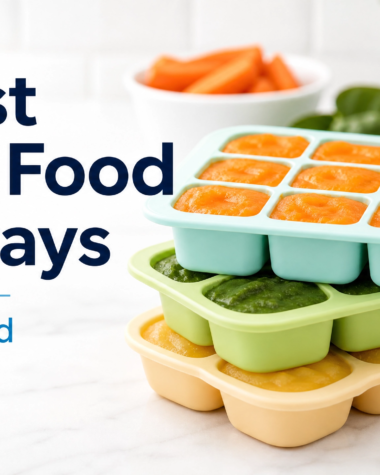
When my sister started making homemade baby food, she was overwhelmed by how to store all those purees. I showed her the ice tray method, and it transformed her meal prep routine. This guide covers everything you need to know about portioning baby food with ice trays – from choosing the right tray to thawing and serving.
Why Use Ice Trays for Baby Food?
Ice trays are the perfect solution for baby food storage because they:
Create consistent, single-serving portions
Freeze food quickly in small amounts
Make it easy to mix and match flavors
Allow for flexible meal planning
Are more affordable than specialized baby food containers
Choosing the Right Ice Tray
Not all ice trays work well for baby food. Look for these features:
Food-grade silicone: Safe, flexible, and easy to clean
1-ounce portions: Perfect single serving size for most babies
BPA-free: Essential for baby safety
Easy release: Flexible silicone pops portions out cleanly
With lid: Prevents freezer odors and allows stacking
Step-by-Step Portioning Guide
Step 1: Prepare Your Food
Cook and puree your baby’s food to the desired consistency. Let it cool to room temperature before freezing – hot food can damage silicone and create uneven freezing.
Step 2: Fill the Tray
Spoon the puree into each compartment, filling about 3/4 full. This allows room for expansion during freezing. Smooth the tops with the back of the spoon for even portions.
Step 3: Freeze
Place the tray flat in the freezer. Freeze for at least 4-6 hours, or overnight for best results. Once frozen solid, the portions are ready to transfer.
Step 4: Transfer to Storage
Pop the frozen portions out of the tray and transfer to a labeled freezer bag or airtight container. This frees up your tray for the next batch and keeps food fresh longer.
Step 5: Label Everything
Label each bag with the contents and date. Baby food is best used within 3 months for optimal nutrition and taste.
Serving Sizes by Age
Age
Portion Size
Servings Per Day
4-6 months
1-2 tablespoons (0.5-1 oz)
1-2
6-8 months
2-4 tablespoons (1-2 oz)
2-3
8-12 months
4-6 tablespoons (2-3 oz)
3
12+ months
1/4-1/2 cup (2-4 oz)
3 meals
Thawing and Serving
Safe Thawing Methods:
Refrigerator: Transfer to the fridge the night before (safest method)
Water bath: Place in a sealed bag in warm water for 10-15 minutes
Direct serving: Frozen portions can be added to hot cereal to cool it down
What to Avoid:
Microwaving (creates hot spots that can burn baby’s mouth)
Leaving at room temperature for more than 2 hours
Refreezing thawed food
Best Foods for Ice Tray Freezing
Vegetables: Sweet potato, squash, carrots, peas, green beans
Fruits: Applesauce, pear, peach, mango, banana
Proteins: Pureed chicken, turkey, lentils
Grains: Oatmeal, rice cereal, quinoa
Combinations: Mixed vegetables, fruit blends, complete meals
Tips for Success
Freeze individual ingredients separately, then mix when serving
Make multiple trays on weekends for the week ahead
Use different trays for different food groups
Freeze in breast milk or formula instead of water for added nutrition
Keep a variety of flavors on hand to prevent picky eating
If you want to compare options, you can browse ice trays on Amazon UK and check current prices, sizes and reviews before you decide.
Advertisement
By the way, here is something else you might like to explore
Looking for useful tools, resources or ideas? Here is a product from our affiliate collection. It is not specific to this article.
Featured product: My Shed Plans
My Shed Plans is a collection of plans for building garden sheds.
Advertisement · This is an affiliate link. We may earn a commission if you purchase. We have not tested this product; please check the seller’s information before buying.
Frequently Asked Questions
How long does frozen baby food last?
Frozen baby food is best used within 3 months for optimal nutrition and taste. While it remains safe longer, vitamin content degrades over time.
Can I refreeze baby food?
No, never refreeze thawed baby food. Bacteria can grow during thawing, and refreezing won’t eliminate them. Only thaw what your baby will eat in one sitting.
Are silicone ice trays safe for baby food?
Yes, food-grade silicone trays that are BPA-free and FDA-approved are completely safe. Silicone doesn’t leach chemicals and is easy to sterilize.
Can I freeze breast milk in ice trays?
While possible, dedicated breast milk storage bags are recommended for preserving nutrients. Ice trays work best for purees and solid foods.
What size portions should I freeze?
Start with 1-ounce (2 tablespoon) portions for young babies. As your baby grows, you can use larger trays or combine multiple cubes.
Tools You Might Need
Food-grade silicone ice trays with 1-oz compartments
Freezer bags or airtight containers
Permanent marker for labeling
Blender or food processor for pureeing
Ice cube tray with lid (optional but recommended)
Final Thoughts
Portioning baby food with ice trays is a simple, affordable method that makes homemade baby food practical for busy parents. With the right trays and proper techniques, you can have weeks of nutritious meals ready to go. Start with single ingredients, label everything clearly, and enjoy the convenience of homemade baby food without the daily prep.
RankMath SEO Data
Suggested Internal Link: “best baby food ice trays” → links to /best-baby-food-ice-trays-homemade-purees