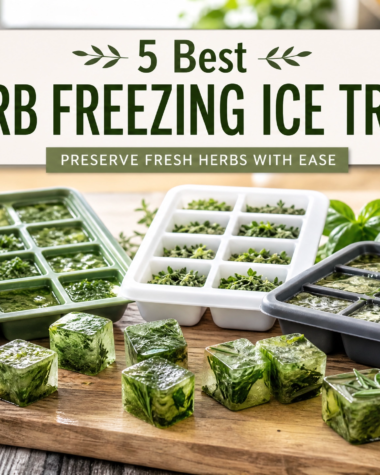
Freezing herbs in olive oil is the simplest way to keep soft herbs such as basil, parsley, coriander, dill and chives tasting fresh for months. Chop the herbs, pack them into ice cube trays, cover with olive oil and freeze, then pop a cube straight into hot pans, soups and sauces whenever you need a burst of flavour. The oil coats each leaf and blocks the air that turns herbs black or slimy, so the cubes keep far more flavour than drying, and the whole job takes about twenty minutes of active work, much of that hands-off while the trays freeze (per Fresh Harvest Haven).
Key takeaways
- Soft herbs freeze best: basil, parsley, coriander, chives, dill and mint keep far more flavour frozen than dried, while woody herbs such as rosemary, thyme and bay are easier to dry (Garden UK).
- Oil beats water for flavour: olive oil captures fat-soluble aromatics and protects leaves from freezer burn, giving brighter, greener results when the cube hits the pan (BoxCantonese).
- Use them in cooking, not as garnish: frozen herbs go limp when thawed, so drop cubes straight into hot dishes (Garden UK).
- Label and date everything: aim to use your cubes within about six months for the best flavour (Garden UK); BoxCantonese suggests a three to six month window.
- Silicone trays make life easier: flexible trays release oily cubes cleanly, and a dedicated tray keeps herby oil away from your water ice. See our pick of the 5 best herb freezing ice trays for preserving fresh herbs.
Why freeze herbs in olive oil at all?
We have all been there. A recipe calls for a small handful of parsley, the shop only sells a huge bunch, and despite your best intentions the parsley wilts away in the fridge within the week. Freezing herbs in olive oil puts a stop to that cycle of waste, and it cuts cooking costs too, because you stop binning herbs you have already paid for (Moral Fibres).
There is plenty of conflicting advice out there, from blanching herbs in boiling water to sealing whole leaves in freezer bags. As a preservation method, though, freezing in oil wins on speed, ease and flavour retention: the oil coats each chopped leaf and blocks the air that causes browning and sliminess (Fresh Harvest Haven, Moral Fibres).
The science in one paragraph
Oil does two jobs at once. It cushions the delicate cell structure of soft leaves against freezer damage, and it captures fat-soluble aromatic compounds that water alone would dilute or wash away. The result, according to BoxCantonese, is a cube that delivers brighter, greener, more aromatic flavour the moment it sizzles in a hot pan.
Which herbs work best for olive oil herb cubes?
The simple rule from Garden UK is this: freeze soft, leafy herbs and dry woody ones. Soft herbs freeze far better than they dry, so they are the perfect candidates for oil cubes.
- Basil: a classic for oil cubes; the oil coats the leaves and keeps air away, which helps prevent browning.
- Parsley and coriander: both freeze well chopped, and cubes make light work of the oversized bunches shops love to sell.
- Chives and dill: delicate aromatics that hold their character well in oil or water.
- Mint: freezes well, though you may prefer water cubes if you plan to use it in drinks.
Woody herbs such as rosemary, thyme, sage and bay are easier to dry than freeze, though BoxCantonese notes they can still be frozen in oil for roasts and braises if that suits your cooking style.
Picking and prepping your herbs
For the best flavour, pick leafy herbs on a dry morning, before the plants flower, and freeze them the same day (Garden UK). Wash the herbs and dry them thoroughly before chopping; excess water can cause ice crystals and dilute the oil (Fresh Harvest Haven).
Olive oil or water cubes: which should you choose?
Both methods work, and the best choice depends on how you will use the herbs.
- Olive oil cubes are best for cooked dishes: the oil carries fat-soluble flavours, protects the herbs from freezer burn and means you can slide a cube straight into a hot pan as a ready-made cooking fat (BoxCantonese).
- Water cubes are more versatile for recipes where you add your own oil, and they suit drinks and lighter dishes where extra oil would be unwanted (Garden UK).
- A mix of both covers all bases: oil cubes for soups, stews, sauces and roasting, water cubes for anything else.
If you plan to freeze lots of different liquids, from herb cubes to stock, our guide to freezing broth and sauce cubes in ice trays shows how to keep your freezer organised.
How to freeze fresh herbs in olive oil, step by step
- Wash and dry thoroughly. Rinse the herbs, then pat or spin them completely dry so no water dilutes the oil.
- Chop the leaves. Remove tough stems and chop the leaves finely; smaller pieces mean more flavour in every cube.
- Fill the trays. Spoon the chopped herbs into each compartment of your tray, filling them perhaps a third to halfway.
- Cover with olive oil. Pour olive oil over the herbs to submerge them, using roughly a one to one ratio of herbs to oil as a starting point (BoxCantonese).
- Freeze until solid. Pop the tray in the freezer and leave until the cubes are firm.
- Decant and label. Once frozen, transfer the cubes to a labelled freezer bag or box, noting the herb and the date. Labelling matters more than you think: once frozen, most green cubes look remarkably similar (Garden UK recommends labelling every bag).
Silicone trays are the easiest to work with because the flexible base releases oily cubes without cracking or bending. If your trays are all spoken for, our gift guide to ice trays for the person who has everything has some suitably covetable options.
A worked example: one bunch of basil
Suppose you have a bunch of basil that is one bad day away from compost. Chop the leaves, pack them into the compartments of an ice cube tray, top up with olive oil and freeze, and you will have ready single portions that can be dropped straight from the freezer into soups, sauces and stews when cooking (Garden UK). At around twenty minutes of active work (Fresh Harvest Haven), that is a tidy return on a small effort, and and fewer herbs end up in the bin.
How long do olive oil herb cubes keep, and how do you use them?
Garden UK advises using frozen herbs within about six months for the best flavour, while BoxCantonese suggests a three to six month window. Either way, date your bags and use the oldest cubes first. The cubes stay safe to eat for longer, but the flavour gradually fades, and faded herb cubes are rather missing the point.
Using your cubes
- Drop them straight into hot pans. There is no need to thaw; the oil melts quickly and releases the aroma as it heats (BoxCantonese).
- Start soups and sauces with them. A basil cube melted in olive oil is the base of an instant pasta sauce.
- Use them in cooked dishes only. Frozen herbs go limp when thawed, so they will not work as a garnish (Garden UK).
- Cook cubes thoroughly if they contain garlic or chilli. Any cube including fresh garlic or chilli should always be used in dishes that are cooked through (BoxCantonese).
Common mistakes to avoid
- Not drying the herbs properly. Wet herbs make watery, icy cubes. Dry them thoroughly before chopping.
- Leaving the cubes in the tray. Once solid, decant into labelled bags so the tray is free for the next batch.
- Forgetting the date. Unlabelled green cubes are a freezer mystery. Write the herb and month on every bag.
- Using cubes in uncooked dishes. Save them for cooking; thawed frozen herbs lack the texture for salads and garnishes.
- Overfilling the compartments. Leave a little headspace so the cubes release cleanly and stack neatly in bags.
FAQ
Can I use frozen herb cubes in fresh dishes like salads?
Not really. Frozen herbs lose their structure and go limp when thawed, so they suit cooked dishes such as soups, stews, sauces and roasts rather than fresh applications (Garden UK). For salads and garnishes, use fresh herbs.
Which herbs should I freeze in oil rather than water?
Use oil for herbs destined for hot, savoury cooking: basil, parsley, coriander, sage and rosemary all shine in oil cubes. Choose water for mint if you plan to use it in drinks, or for any herb where you do not want the extra oil (Garden UK).
Do I need to blanch herbs before freezing?
No. Blanching is one method you will see recommended, but it is unnecessary for oil cubes and adds faff. Simply wash, dry, chop and cover with oil (Moral Fibres).
What oil should I use?
Olive oil is the traditional choice and extra virgin works well for its flavour, though BoxCantonese notes you can adjust the oil to suit the herb and dish. but olive oil brings its own pleasant character to cooked dishes.
How much oil do I need per tray?
Aim for roughly equal volumes of chopped herbs and oil, following the one to one ratio suggested by BoxCantonese. The exact amount of oil you need will depend on your tray and how generously you have filled each compartment; just pour enough to cover the herbs completely.
The bottom line
Freezing herbs in olive oil takes about twenty minutes, saves money and means you are never more than one cube away from fresh-tasting flavour, even in the depths of winter. Start with a bunch of basil or parsley this week: wash, dry, chop, cover with oil and freeze. Once you have a bag of herb cubes ready in the freezer, and you will have ready portions of fresh-tasting flavour on hand for cooked dishes for months.