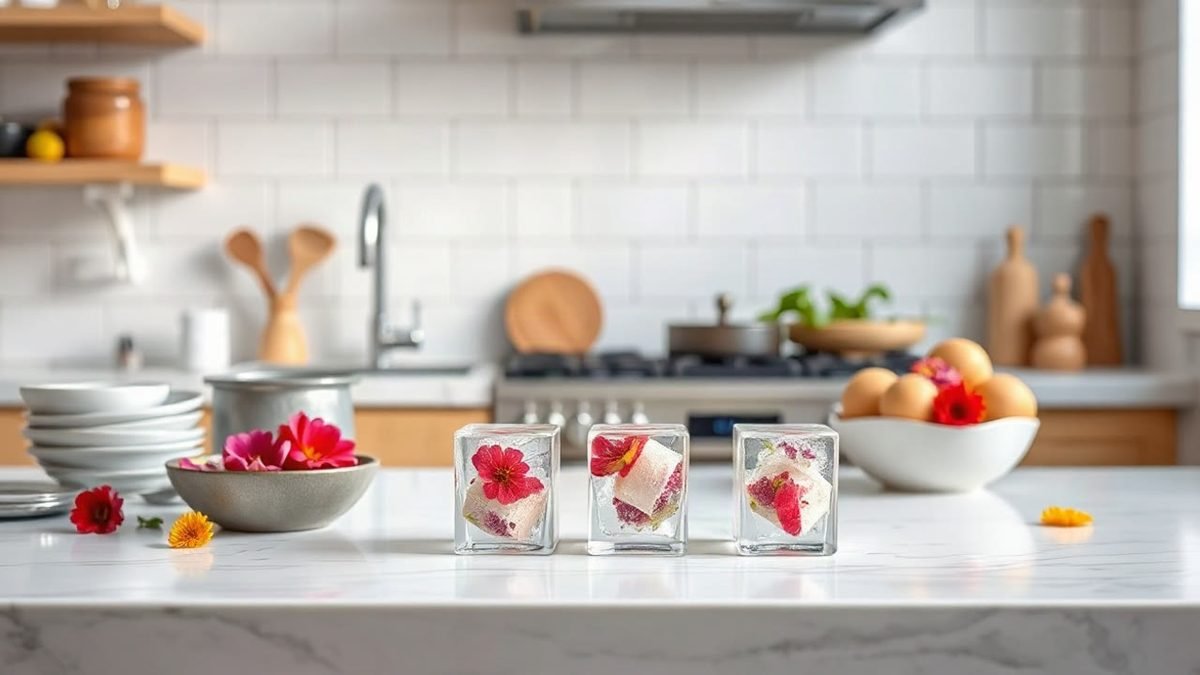

Edible flower ice cubes are made by placing small, safe-to-eat flowers such as violas, borage, primroses or nasturtiums into an ice cube tray, freezing them in thin layers of water, and topping up gradually so each bloom ends up fully encased in ice. The trickiest part is stopping the flowers from floating, which you solve by freezing in two or three stages rather than filling the tray all at once.
Drop one into a G&T, a jug of lemonade or even a glass of plain water and an ordinary drink suddenly looks like something from a cocktail bar. Better still, you need nothing more than an ice cube tray, a kettle and a handful of flowers from the garden or a reputable edible flower supplier.
Key takeaways
- Only use flowers you are certain are edible. Being confident the plant is safe to eat is the most important part of the whole process, according to Thrive (https://www.thrive.org.uk/get-gardening/edible-flower-ice-cubes).
- Freeze in layers. Add a little water first, freeze, then add the flower, then top up. This keeps blooms suspended instead of floating to the surface.
- Boiled, cooled filtered or distilled water makes clearer ice, so the petals stay visible rather than clouded over.
- Match the flower to the drink. Borage suits G&Ts and Pimm’s, peppery nasturtium petals work in a Bloody Mary, and minty agastache is lovely in a Mojito, as The Edible Flower suggests (https://www.theedibleflower.com/recipes/edible-flower-ice-cubes).
- A silicone tray makes life easier, because flexible moulds release delicate cubes without snapping them.
Which edible flowers are safe to freeze?
This is the one step you must not rush. Not every garden flower is edible, and some popular blooms are mildly or seriously toxic. Thrive stresses that being confident the plant you use is safe to eat is the most important part of making edible flower ice cubes (https://www.thrive.org.uk/get-gardening/edible-flower-ice-cubes).
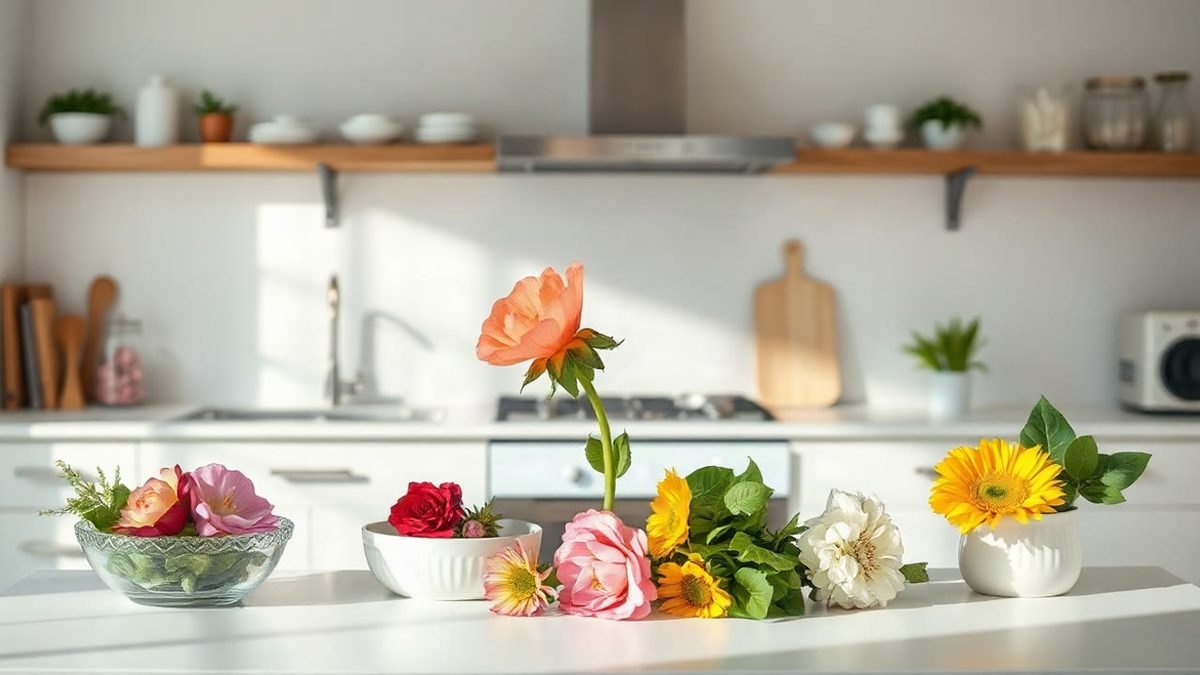
Stick to flowers with a well-established culinary track record, and only pick from plants you know have not been sprayed with pesticides. If you are buying rather than growing, choose flowers sold specifically for eating rather than florist blooms, which are not grown for consumption.
Reliable choices for flower ice cubes for drinks
- Violas and pansies: small, flat-faced and pretty, they sit neatly in a single cube and have a mild, slightly sweet flavour.
- Borage: the starry blue flowers have a light cucumber note, which is why The Edible Flower recommends them for G&Ts and Pimm’s.
- Nasturtiums: bright orange and red petals with a peppery kick, lovely in savoury drinks like a Bloody Mary.
- Primroses: soft yellow petals that look delicate in pale drinks such as lemonade.
- Agastache: little minty flowers, a natural fit for a Mojito.
- Carnations: petals work well frozen, according to The Edible Flower (https://www.theedibleflower.com/recipes/edible-flower-ice-cubes).
Herbs are a great fallback too. Thrive suggests herbs such as rosemary or mint as alternatives if flowers are in short supply, and a small mint leaf looks just as elegant frozen in ice (https://www.thrive.org.uk/get-gardening/edible-flower-ice-cubes).
A quick safety checklist before you pick
- Can I identify the plant with complete confidence? If not, leave it.
- Has it been grown without pesticides or other sprays?
- Is it from a vegetable patch, herb garden or edible-flower supplier rather than a florist or roadside?
- Does anyone drinking the cube have allergies I should consider?
How to make edible flower ice cubes step by step
The method below combines the layering approach from The Edible Flower, Spice Kitchen and Interflora, because layering is what keeps flowers perfectly suspended. Expect the whole process to take a few hours in total, mostly freezer time, so make your cubes the day before a party.
What you need
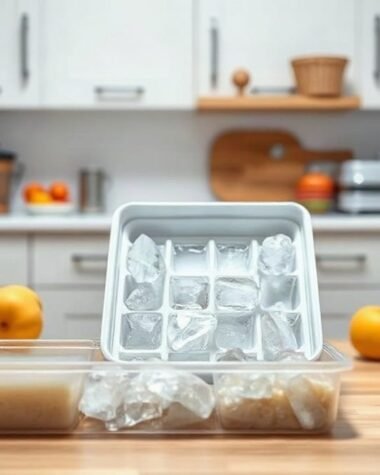
- An ice cube tray, ideally silicone, as it is the easiest type to remove cubes from without breaking them
- Small edible flowers or petals, roughly one flower per compartment
- Filtered or distilled water
- A kettle or pan, plus kitchen paper for drying petals
The method
- Boil and cool the water. Boiling filtered water helps make crystal clear ice so you can see the detail of the petals, as Spice Kitchen advises. Let it cool completely before it touches the flowers, or you will burn and discolour the delicate petals (https://www.spicekitchenuk.com/blogs/recipes/edible-flower-ice-cubes).
- Wash and dry the flowers. Rinse gently and pat dry with fresh kitchen paper.
- Add the first thin layer of water. Pour a small amount into each compartment, just enough to cover the base.
- Place a flower in each section, face down. Interflora recommends placing blooms face down so petals do not poke out of the finished cube, and freezing that first layer for around 20 minutes (https://www.interflora.co.uk/blog/lifestyle/how-to-make-floral-ice-cubes).
- Add more water and freeze until very solid. Fill each compartment about two thirds full with the flower in place, then freeze properly. The Edible Flower is emphatic on this point: the cubes must be frozen very solid, otherwise pouring more water on top partially defrosts them and the flower floats up anyway (https://www.theedibleflower.com/recipes/edible-flower-ice-cubes).
- Top up to the full line and freeze again. This final layer seals the flower in the middle of the cube.
- Freeze until needed. Spice Kitchen notes the finished cubes will keep in the freezer until you are ready to use them (https://www.spicekitchenuk.com/blogs/recipes/edible-flower-ice-cubes).
If you want to go further with clarity, our guide to how to make clear ice at home with directional freezing explains why ice freezes cloudy and how to control it.
Why do flowers float, and how do you stop it?
Flowers are lighter than water, so in a tray filled in one go they drift to the surface and set into the top of the cube, or even poke out above it. The fix is simple physics: anchor them first. A shallow base layer of water, frozen for around 20 minutes, holds the bloom in place. Once that first layer is set, the flower cannot rise.
The same principle applies at the second stage. Freeze the two-thirds-full stage until completely firm before adding the final top-up. Rushing this step is the single most common reason a flower ends up squatting at the top of the cube instead of floating elegantly mid-ice.
It also helps to choose smaller, flatter blooms. A whole pansy face lies nicely against the first layer, while bulky petals curl and trap air bubbles. If a flower is large, split it and use individual petals instead.
How do you get crystal clear flower ice cubes?
Cloudiness comes from trapped air and impurities in tap water, which scatter light as the ice freezes. Two habits make a noticeable difference.
- Use boiled, cooled, filtered or distilled water. Interflora recommends distilled water that has been boiled and then cooled, because this helps dissolve air bubbles and remove impurities for clearer cubes (https://www.interflora.co.uk/blog/lifestyle/how-to-make-floral-ice-cubes). Spice Kitchen’s version of the same tip is to boil filtered water and let it cool completely before use.
- Freeze slowly and gently. A normal freezer at its usual setting is fine for small cubes; the key is letting each layer set fully before adding the next, rather than hurrying the process.
For a deeper dive into the science, our article on directional freezing for clear ice covers the technique used for larger blocks, which you can adapt for special-occasion trays.
Which drinks work best with edible flower ice cubes?
Almost any cold drink benefits, but matching flavour to flavour takes the cubes from decorative to genuinely useful. The Edible Flower suggests matching the flower to the drink: borage with G&Ts or Pimm’s, nasturtium petals in a Bloody Mary, and agastache in a Mojito (https://www.theedibleflower.com/recipes/edible-flower-ice-cubes).
A quick matching guide
| Flower | Flavour note | Pairs well with |
|---|---|---|
| Borage | Cucumber-like | Gin and tonic, Pimm’s,elderflower cordial |
| Nasturtium | Peppery | Bloody Mary, tomato juice |
| Agastache | Minty | Mojito, iced tea |
| Viola or pansy | Mild and sweet | Lemonade, prosecco, soda |
| Primrose | Delicate | Pale cordials, still water |
| Mint or rosemary | Herbal | Cocktails, infused water, sparkling water |
Spice Kitchen points out that the cubes work just as well in lemonade, soda or plain water as they do in cocktails, and that a batch made in autumn brings a burst of flowery beauty to winter drinks too (https://www.spicekitchenuk.com/blogs/recipes/edible-flower-ice-cubes).
A worked example: a jug of Pimm’s for six
For a summer jug, freeze twelve cubes: six with borage, six with violas. Build the jug with ice made from plain water first so it melts slowly and does not dilute the drink too fast, then float the flower cubes on top where guests can see them. By the time the flower cubes begin to melt, they add a subtle floral note rather than watering the jug down. For tips on slow-melting ice, see our guide to cocktail ice cubes that melt slower.
How long do flower ice cubes last, and how do you store them?
Once fully frozen, the cubes will keep in the freezer until you need them, as Spice Kitchen notes. A few practical habits keep them looking their best:
- Transfer them to an airtight freezer bag or box once solid, so they do not pick up freezer smells from other foods.
- Freeze them away from strong-smelling items such as onions or fish; ice absorbs odours easily.
- Make them no more than a few weeks ahead for the brightest colour, as petals can fade slightly over long storage.
- Handle with the tray at room temperature for a minute before turning out, or use a flexible silicone tray, so the cubes do not crack.
If you enjoy this kind of thing, flavoured cubes generally are worth exploring next: our guide to infused water ice cubes covers fruit and herb versions that pair beautifully with flower cubes in the same glass.
FAQ
Can I use any flower from my garden in ice cubes?
No. Only use flowers you are confident are safe to eat, grown without pesticides. Thrive makes safety the first and most important rule of the process. When in doubt, skip it and use a herb instead.
Do edible flowers still taste of anything after freezing?
Yes, though subtly. As the ice melts the flavour is released slowly into the drink, which is why strongly flavoured flowers such as borage and nasturtium work best. The visual effect, however, is the main attraction for most people.
How far in advance can I make flower ice cubes for a party?
The day before is ideal. The cubes need several hours to freeze solid through each layer, and making them ahead means the flowers are fully encased and the tray is free for other ice.
Can I use tap water instead of boiled or distilled water?
You can, but the ice will usually look cloudier, which partly hides the flowers. Boiling filtered water and letting it cool is a simple upgrade that makes the petals far more visible.
What size tray works best for edible flower ice cubes?
Standard or slightly larger silicone trays suit most small blooms. Silicone is the easiest material for releasing delicate cubes intact, and bigger compartments give a single flower room to sit flat and fully covered.
In conclusion
Edible flower ice cubes are one of the highest-reward, lowest-effort upgrades you can make to summer drinks: pick safe blooms, boil and cool your water, freeze in thin layers, and you will have a tray of cubes that turn any glass into something special. Start with a single tray of violas this week, then experiment with borage in your next G&T. Once you have mastered clear, flower-filled cubes, try adding slow-melting cocktail ice to the same freezer for drinks that look and taste their best from first pour to last.