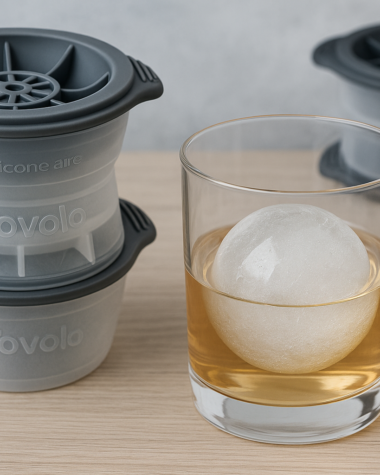

Why do whiskey lovers swear by sphere ice?
Sphere ice is popular with whiskey drinkers because a sphere has the lowest possible surface area for its volume, so it melts more slowly than a standard cube. That geometry means your whiskey chills gradually and dilutes at a more controlled rate, rather than drifting towards watery disappointment halfway through the glass. It looks impressive too, but the real argument is physics, not presentation.
In this practical guide we explain the science in plain English, look at when a sphere genuinely earns its place in the glass, and cover how to make clear, slow-melting ice balls at home.
Key takeaways
- Ice cools whiskey by absorbing heat, and melting and dilution are a natural part of that process, whatever shape you use, as explained by Ca’Lefort.
- A sphere has no corners or edges, giving it the lowest surface area for its volume, so it melts more gradually than several smaller cubes (The Whisky School).
- Slower dilution suits slow sipping: spirits such as whiskey on the rocks and spirit-forward cocktails like an Old Fashioned benefit most.
- Sphere ice is not always the answer. Highballs, sours and formal tastings often work better with other ice formats or none at all.
- Colder whiskey softens the perceived heat of alcohol, though it can also make delicate aromas less noticeable.
The physics in plain English: surface area versus volume
Every argument about sphere ice comes down to one simple ratio: surface area versus volume. You want plenty of ice mass to cool the drink, but as little surface touching the liquid as possible. Ice melts where it meets warmer liquid, so less contact means slower melting, as The Whisky School puts it.
A sphere is the shape with the lowest surface area for any given volume. No corners, no edges. Because a typical 2-inch sphere exposes significantly less surface to the whiskey than a 2-inch cube of the same size, it chills the drink effectively while taking much longer to melt into water (The Whisky School).
Why corners are the enemy of flavour
Ice melts from its surface, so more surface touching your whiskey means faster melting and faster dilution. Liquid also flows smoothly around a sphere rather than grinding over sharp edges, which is one reason large-format ice generally outlasts the small cubes from a home freezer tray (Cristamor).
Standard small cubes do chill a drink quickly, which is handy when you want a cold drink in a hurry. The trade-off is their greater combined surface area, which leads to faster dilution (Ca’Lefort). Fast chilling is not a flaw in itself; it simply suits different drinks and drinking styles.
What dilution actually does to your whiskey
When you add ice to whiskey, two things happen. The ice chills the drink, which alters the liquor slightly and can reveal a different flavour profile. As the ice melts, the added water also softens harsher notes that can sometimes overpower subtler flavours (Crafted Barware).
The catch is the rate. If ice dilutes too quickly, those flavours fade and you finish with what drinkers bluntly call whiskey-flavoured water. Dilution is directly linked to the surface area of ice exposed to the whiskey, which is exactly why shape matters (Crafted Barware).
Temperature plays a role too. Lower temperatures can soften the perceived heat of alcohol, although they may also make delicate aromas less noticeable. How much cooling suits a pour is ultimately a matter of personal preference (Ca’Lefort).
Sphere ice versus cubes: a quick comparison
Here is a side-by-side summary drawn from the points above, so you can match the format to the drink.
- Sphere ice (around 2 to 2.5 inches): lowest surface area for its volume, gradual melting, gradual dilution. Best for whiskey on the rocks and spirit-forward serves.
- Large square cubes: more surface than a sphere of the same size, but still far slower than small cubes. A reasonable middle ground.
- Standard freezer cubes: plenty of surface area, so they chill fast and dilute fast. Ideal for highballs and drinks meant to be finished quickly.
- Crushed or pebble ice: maximum surface, minimum melt time. Best for juleps and sours where rapid chilling is the point.
- No ice: nothing added, nothing taken away. The traditional choice for formal tastings.
When sphere ice earns its place, and when it does not
Sphere ice works particularly well for whiskey on the rocks and for spirit-forward cocktails such as an Old Fashioned. The single large orb keeps the drink cold and stable while the flavour develops slowly over the course of a leisurely sip (Ca’Lefort).
It is worth being honest about the limits, though. Highballs are built to stay refreshing, and their added mixers tolerate faster dilution, so regular cubes make more sense. Sours benefit from rapid chilling and texture rather than slow melting. And for formal tastings, most enthusiasts prefer no ice at all, so the aromas are at their most noticeable (Ca’Lefort).
Does the sphere actually change the flavour?
Indirectly, yes. The sphere does not add anything to the whiskey; what it changes is the pace. Because it melts more gradually, the balance of chill and dilution stays steadier for longer, which keeps the flavour from tipping towards watery too early (Cristamor). The ice ball also brings a considered touch to the glass, which is part of the appeal, but the functional benefit is controlled cooling and dilution over time (Ca’Lefort).
A note on the bold claims
Some marketing around sphere ice overreaches, promising dramatic improvements that the physics alone cannot support. The honest version is this: a sphere’s minimal surface area means slower melting and more controlled dilution, and that is a real, measurable advantage for slow sipping. It does not turn an ordinary pour into a premium one, and it is not automatically the right choice for every whiskey (Cristamor).
How to make great sphere ice at home
You do not need a Tokyo cocktail bar setup to enjoy a proper ice ball. A dedicated silicone sphere mould and a little patience will get you most of the way there.
- Choose the right mould. Look for a mould in the 2 to 2.5 inch range, which is the size commonly recommended for whiskey sipping (Crafted Barware). Our roundup of the best sphere ice moulds covers the popular options.
- Fill carefully. Fill the mould carefully and follow the manufacturer’s instructions, since a mould filled unevenly may not produce a smooth, complete sphere.
- Freeze slowly if you can. Cloudiness in ice comes from trapped air and impurities, and many mould makers offer tips for achieving clearer ice if that matters to you. Even without special equipment, a well-packed freezer at a normal setting produces perfectly serviceable ice.
- Demould with warm water. Most silicone moulds are flexible, so letting the mould rest at room temperature for a few minutes or gently flexing it usually releases the ball, and the manufacturer’s instructions are the best guide.
- Give it a rinse. A quick rinse removes any frosty residue from the freezer and helps the surface melt evenly in the glass.
- One ball per glass. Sphere ice is designed as a single large format. Adding two smaller balls partly defeats the low surface area advantage.
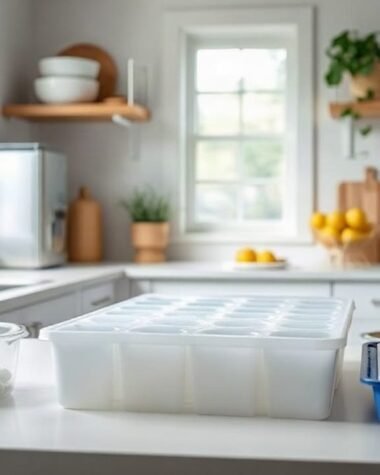
Pair your moulds with the right glassware and technique, and see our guide to the best cocktail ice trays for craft drinks if you want to build a fuller home ice kit.
A simple checklist for choosing your ice format
Use this quick checklist before you pour. It is not scientific instrumentation, just a practical way to match ice to intent.
- Will you sip this drink for twenty minutes or more? If yes, a large sphere or big cube is the sensible choice.
- Is the drink spirit-forward with no mixers? Controlled dilution matters most here, so favour large-format ice.
- Does the drink contain mixers or citrus? Faster-diluting standard cubes are usually fine and chill the drink more quickly.
- Are you tasting to evaluate aromas? Skip the ice entirely; cold can mute delicate aromas.
- Do you care about presentation? A single clear sphere is the classic bar-service look, and there is nothing wrong with enjoying that.
FAQ
Does a sphere really melt slower than a cube?
Yes, and the reason is geometry rather than magic. A sphere has the lowest possible surface area for its volume, and a 2-inch sphere exposes significantly less surface to the whiskey than a 2-inch cube, so it melts more slowly (The Whisky School). Liquid also flows smoothly around a sphere rather than over sharp edges (Cristamor).
What size sphere ice is best for whiskey?
Most guides point to large-format spheres in the 2 to 2.5 inch range, with the 2.5 inch sphere described as the ideal choice for whiskey sipping (Crafted Barware). Bigger balls have even lower surface-area-to-volume ratios, but they also need larger glasses and longer moulds.
Should I use sphere ice with blended or budget whiskey?
There is no rule against it, and slow dilution suits any spirit you plan to sip slowly. That said, the main benefit is pace of dilution, so the choice depends on how you drink rather than what the label says. Standard small cubes chill drinks quickly, but their greater combined surface area can lead to faster dilution, as Ca’Lefort notes, so the best shape depends on how long you take over your drink.
Is cloudy ice a problem?
Cloudiness comes from trapped air and impurities, and it mostly affects appearance rather than function. A cloudy sphere still has the same geometry and still melts slowly. Clear ice is a nice touch for presentation, which is why high-end bars serve crystal-clear orbs, but it is not essential for good whiskey at home.
Do I still need sphere ice if I drink whiskey neat?
If you drink it neat, you use no ice at all, and that is a perfectly valid choice for tasting. Sphere ice is for when you want chill and gentle dilution alongside your whiskey, typically in an on-the-rocks serve or a spirit-forward cocktail such as an Old Fashioned (Ca’Lefort).
The bottom line
Sphere ice earns its reputation through geometry: the lowest surface area for its volume means gradual melting, controlled dilution and a steadier glass of whiskey from first sip to last. It is not the right tool for every drink, but for slow, spirit-forward serves it is hard to beat, and the physics backs that up.
If you fancy trying it yourself, a good silicone mould is all you need to get started. Our guide to the best sphere ice moulds will help you pick one that suits your freezer and your glassware.
Sources
- Why Use a Whiskey Ice Ball? Cooling and Dilution Explained – Ca’Lefort
- Why Use an Ice Sphere for Whiskey? Physics and Honest Limits
- Ice Sphere vs Ice Cube: Which Melts Slower? (Science 2026)
- Why Round Ice Cubes for Whiskey are Better than Square – Crafted Barware